
Advances in Augmented and Virtual Reality: Transforming the User Experience
Technological Landscape of AR and VR
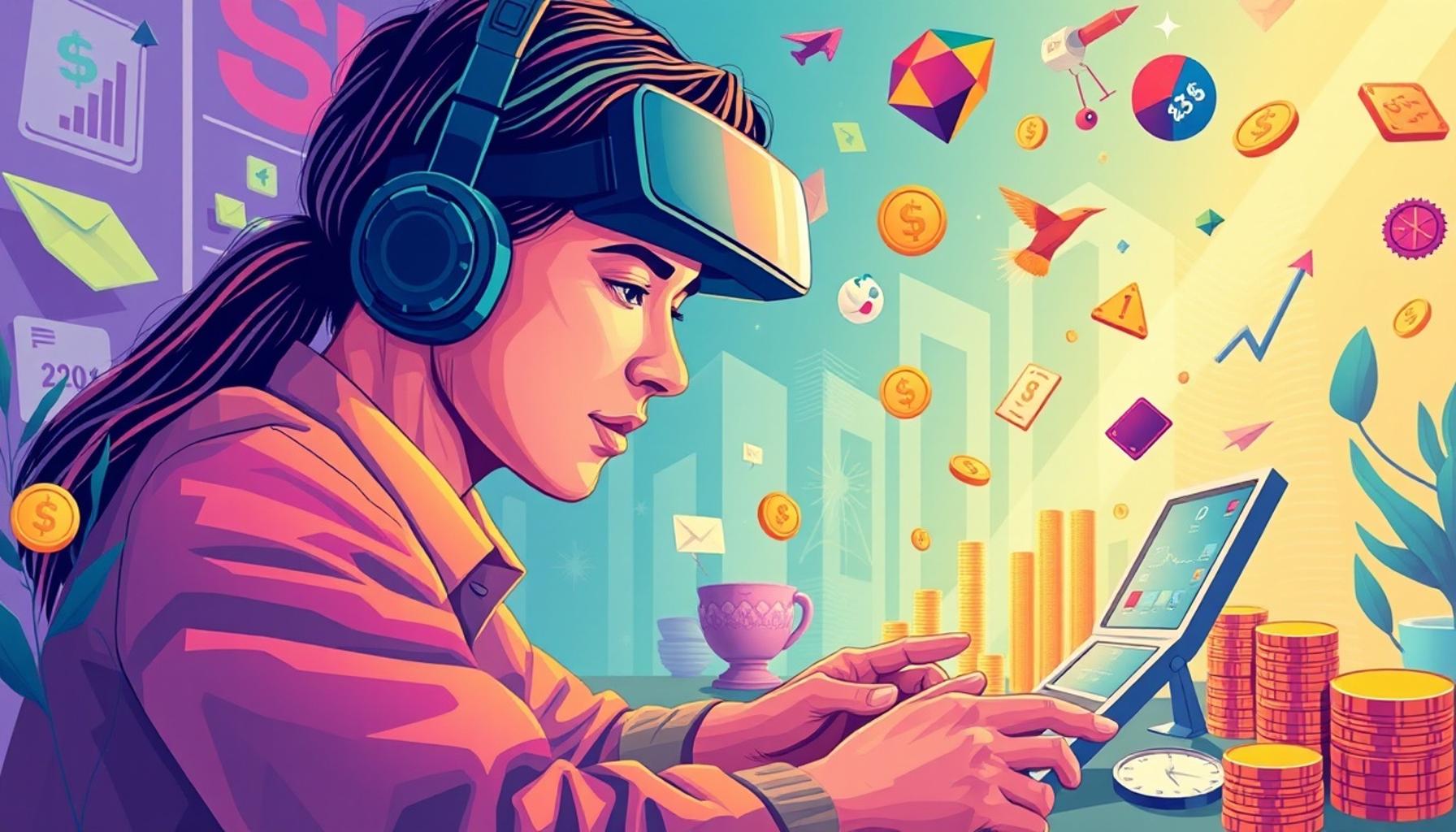
Recent years have seen significant growth in the realms of augmented reality (AR) and virtual reality (VR), transforming them from emerging technologies into formidable tools that enhance everyday experiences. Their transformative potential is reshaping interactions with the digital world, ushering in a new era of immersive technology.
One of the most compelling areas of development has been in immersive gaming. Games such as “Beat Saber,” where players wield virtual light sabers to slice through blocks in rhythm to music, and “Half-Life: Alyx,” a first-person shooter that immerses players in a dystopian world on the brink of collapse, highlight how AR and VR engage users not just in gameplay but also in moving stories and captivating worlds. Players aren’t merely spectators; they become active participants, enhancing not only the fun factor but also the social aspects of gaming. Online multiplayer modes allow friends to connect and compete in shared virtual environments, creating deeper bonds through interactive experiences.
Moreover, real-world applications of these technologies are expanding rapidly across various industries. In healthcare, VR is utilized for training simulations, enabling medical professionals to practice complex procedures in a controlled environment without risk to patients. For instance, VR can help surgeons rehearse intricate surgeries, enhancing their skills and confidence before the actual procedure. Retailers are also embracing AR; many stores now offer virtual try-on features for clothing and accessories. This innovation not only streamlines the shopping experience but also boosts customer engagement by allowing consumers to visualize products on themselves before making a purchase, thus reducing return rates.
Another fascinating aspect of AR and VR lies in their impact on social interactions. Platforms such as Horizon Worlds enable users to create and explore shared virtual spaces where they can meet and interact. These platforms redefine social networking, allowing users to engage with friends or meet new people in a visually immersive environment that feels more lifelike than traditional social media. This can serve as a convergence point for collaboration, creative expression, and shared experiences, enriching our digital social lives.
Advancements in hardware and software continue to make AR and VR more accessible. Devices like the Meta Quest 3 provide enhanced graphics and user interfaces that support prolonged usage without discomfort. With such accessibility, audiences can explore a variety of immersive experiences from the comfort of their living rooms. This seamless integration into daily life hints at a future where these technologies are commonplace, offering solutions for education, fostering engagement in the classroom, or in commercial settings, revolutionizing how businesses reach their customers.
In summary, the potential of augmented and virtual reality is expansive and promising. As these technologies evolve, they will undoubtedly reshape not just entertainment but also education, commerce, and the way we connect with one another. Understanding these advancements will allow us to appreciate their impact better and prepare for the changes they will bring in the years to come.
DIVE DEEPER: Click here to learn more
Immersive Gaming: The Next-Level Experience
The realm of gaming has always been a frontrunner in adopting cutting-edge technologies, and with the rise of augmented reality (AR) and virtual reality (VR), gaming experiences have reached unprecedented heights. Unlike traditional video games, which provide a passive experience, AR and VR games immerse players in interactive worlds where they not only observe but also influence the environment. This profound shift empowers gamers to engage more deeply with the narrative and gameplay.
For example, in games like “Pokemon Go,” players use their mobile devices to locate and catch virtual Pokémon in their actual surroundings. This integration of the digital and physical worlds is a hallmark of AR, enabling individuals to experience a sense of adventure while exploring familiar landscapes. On the other hand, VR titles such as “The Walking Dead: Saints & Sinners” allow players to fully immerse themselves in a gritty, post-apocalyptic world, demanding not only strategic thinking but also physical movement and combat skills as they navigate challenges.
Such immersive experiences create a unique form of social interaction. Players frequently engage with friends or strangers in these virtual environments, creating shared adventures that go beyond mere competition. Here are a few ways AR and VR are enhancing social experiences in gaming:
- Cooperative Gameplay: Many VR games allow groups to collaborate in tackling missions, fostering teamwork and camaraderie.
- Social Platforms: Titles like “Rec Room” offer a virtual space where players can meet, interact, and engage in various activities together, replicating a social environment.
- Live Events: AR and VR can host live events in virtual arenas, bringing thousands of players together to celebrate, compete, or enjoy performances.
Real-World Applications: Beyond Entertainment
While gaming showcases the engaging capacity of AR and VR, their advantages permeate various practical applications as well. In the education sector, for instance, teachers are stepping into virtual classrooms where students can explore historical landmarks, scientific concepts, or geographical wonders without leaving their desks. By utilizing VR, educators can create interactive lessons that deepen understanding and retention, revolutionizing traditional teaching methods.
Another area experiencing a surge in AR integration is the retail industry. Brands like IKEA have developed applications that allow customers to visualize how furniture will look in their homes, integrating AR capabilities into their shopping experience. This approach not only enhances consumer decision-making but also instills confidence in purchases, resulting in fewer returns. Furthermore, AR experiences enable brands to create innovative marketing campaigns, engaging customers in ways that traditional advertising simply cannot achieve.
With each technological leap, the scope of AR and VR expands, surfacing new possibilities that promise to transform interactions with the world around us. As these technologies continue to evolve, we can anticipate a future where immersive experiences become integral to how we live, learn, and communicate—an exciting prospect that holds the potential to redefine our everyday encounters.
DIVE DEEPER: Click here to discover how to get free electronics in 2026
Transforming Workspaces: Augmented and Virtual Reality in Professional Settings
The application of augmented reality (AR) and virtual reality (VR) is not limited to entertainment; they are making significant strides in various professional fields as well, redefining the modern workplace. These technologies provide innovative solutions that enhance productivity, facilitate training, and improve collaboration among teams, ensuring that businesses can operate more efficiently in an increasingly digital world.
In the realm of training and development, companies are utilizing VR to immerse employees in real-world scenarios without the associated risks or costs. For instance, in the manufacturing sector, VR simulations allow workers to practice machine operation or safety procedures in a controlled virtual environment. This eliminates the potential for costly mistakes and safety hazards, fostering a more experienced workforce. A notable example is Walmart, which has incorporated VR into its employee training programs, resulting in improved customer service through more effective learning experiences.
Moreover, AR has proven to be invaluable in fields such as healthcare and engineering. Surgeons can utilize AR overlays during operations to access critical data and real-time information about their patients, enhancing precision and outcomes. Similarly, engineers can employ AR to visualize complex schematics and interact with 3D models, allowing for quicker troubleshooting and better design decisions. Such implementations not only streamline processes but also improve overall collaboration among team members.
Enhancing Consumer Engagement: The Retail Revolution
The retail industry continues to experience profound changes thanks to AR and VR technologies, reshaping not just how companies market products but also how consumers engage with them. Imagine walking into a clothing store and using an AR app to see how a shirt would look on you without trying it on. Applications like ZARA’s AR feature allow customers to point their phones at displays to see models wearing the clothes in action. This interactive experience not only captivates shoppers but also encourages them to spend more time in stores and ultimately boosts sales.
AR is also enhancing the online shopping experience. For instance, Sephora’s Virtual Artist app lets users try on makeup virtually via their mobile devices, combining convenience with an interactive twist. As a result, consumers can make informed choices about their purchases from the comfort of their homes. Such applications reduce the hesitation that often accompanies online shopping, leading to increased customer satisfaction and loyalty.
Bridging Distances: Remote Collaboration
In a world where remote work is becoming increasingly normalized, AR and VR serve to bridge physical distances, enabling effective collaboration among team members spread across different locations. Tools like Microsoft Mesh and Spatial offer immersive workspaces where users can interact with 3D models and each other in real-time, creating an atmosphere that mimics in-person meetings. This significantly enhances communication and allows for spontaneous brainstorming sessions, which can be challenging to replicate via traditional video conferencing tools.
Additionally, AR-enabled tools like smart glasses allow field workers to connect with experts who can guide them through tasks as if they were physically present. For example, technicians can receive instructions overlayed on their field of vision while repairing machinery, ensuring that vital information is immediately accessible. This results in a dynamic exchange of ideas that transcends geographical barriers and cultivates a collaborative spirit.
As AR and VR continue to evolve, they are set to redefine the user experience in unprecedented ways across various sectors, offering solutions that were once thought to be mere fantasies. The enhanced connectivity, engagement, and training made possible by these technologies will undoubtedly pave the way for a new era of professional interaction and consumer engagement in the years to come.
LEARN MORE: Click here for details on applying
Conclusion
The rapid advancements in augmented reality (AR) and virtual reality (VR) technologies are undeniably transforming the user experience across various domains. As these immersive tools become more integrated into our daily lives, they open up a world of possibilities that enhance how we learn, work, shop, and interact. From dynamic training environments in professional settings to engaging retail experiences that allow consumers to visualize products before purchasing, AR and VR are reshaping expectations and behaviors.
Moreover, as remote collaboration becomes a cornerstone of modern work culture, the ability of AR and VR to transcend physical barriers fosters a sense of unity and shared creativity among teams scattered across the globe. These technologies not only facilitate efficient communication but also create immersive environments where teams can envision solutions together more effectively than ever before.
Looking ahead, it is essential for businesses and consumers alike to embrace these innovations, as they promise to deliver enhanced engagement and meaningful interactions. While still in their early stages, the implications of AR and VR are profound, and their potential to reshape industries and reimagine user experiences is far-reaching. By staying abreast of developments in this field, we can better prepare for the future, where the fusion of digital and physical realities will elevate our everyday experiences in ways we are just beginning to understand. The journey into this new frontier is not just about technology; it’s about creating connections that enrich our lives.

Linda Carter
Linda Carter is a writer and expert known for producing clear, engaging, and easy-to-understand content. With solid experience guiding people in achieving their goals, she shares valuable insights and practical guidance. Her mission is to support readers in making informed choices and achieving significant progress.