Menu

Investment Strategies for Beginners: How to Start with Little Money

This guide offers beginner-friendly investment strategies for those starting with limited funds. It emphasizes budgeting, harnessing compound interest, utilizing index funds and robo-advisors, and exploring micro-investing apps. With consistent saving and informed decisions, anyone can embark on a successful investing journey and build wealth over time.

Sustainable Investments: How ESG Is Changing the Financial Landscape

Investors are increasingly prioritizing Environmental, Social, and Governance (ESG) factors, reshaping financial strategies toward sustainable investments. This shift is driven by growing awareness of social and climate issues, regulatory changes promoting transparency, and the financial benefits of ethical practices, illustrating how responsible investing leads to both societal impact and improved returns.


Investing in Startups: Risks and Opportunities in the Venture Capital Market

Investing in startups presents a unique blend of high potential returns and significant risks in the venture capital market. Success hinges on understanding market trends, evaluating startup viability, and building a diversified portfolio. Navigating this landscape requires diligence, strategic planning, and active engagement with the startup community.

Investing in Cryptocurrencies: What You Need to Know Before You Start

Investing in cryptocurrencies offers great potential but comes with significant risks. Understanding market volatility, diverse options, security measures, and regulatory environments is essential. By researching effectively, setting clear goals, and developing a strategic investment plan, you can navigate this dynamic market confidently and maximize your potential.

Investing in Stocks vs. Real Estate Funds: Which is the Better Option for Your Portfolio?

This article explores the pros and cons of investing in stocks versus real estate funds, highlighting their unique benefits and risks. It emphasizes evaluating personal financial goals, risk tolerance, and investment horizons to help investors decide the best option for their portfolio strategy, whether for growth or stability.

How the Economic Cycle Affects Your Investment Decisions

Understanding the economic cycle—comprising expansion, peak, contraction, and trough—guides investment decisions by highlighting associated risks and rewards. Each phase influences market trends, urging investors to adjust strategies to maximize returns and minimize risks, ultimately fostering informed financial choices aligned with economic conditions.

The Importance of Fundamental Analysis in Investment Decision-Making

Fundamental analysis is vital for effective investment decision-making, enabling investors to evaluate a company's intrinsic value through financial statements and economic indicators. By mastering this analytical approach, individuals can make informed choices, identify growth potential, and navigate market complexities, thus enhancing their investment strategies and achieving long-term financial success.

How to Diversify Your Portfolio: The Importance of Asset Allocation

Effective asset allocation is key to diversifying your investment portfolio. By strategically distributing assets across stocks, bonds, and real estate, you can manage risks and enhance potential returns. A well-structured portfolio adapts to individual goals, ensuring sustained growth while navigating market fluctuations.

The Impact of Inflation on Investments: How to Protect Your Capital in Uncertain Times

Understanding inflation is vital for protecting investments and preserving capital during uncertain times. Strategies like diversifying portfolios, investing in inflation-protected securities, and focusing on resilient asset classes can help mitigate the adverse effects of rising inflation. Staying informed and adapting investment approaches is key to maintaining financial resilience.

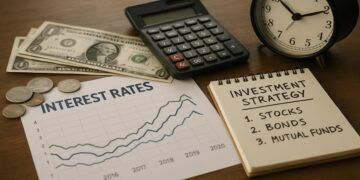
The Role of Interest Rates in Investments: Strategies for Navigating a Variable Rate Environment

Interest rates significantly impact investment decisions, influencing borrowing costs, investment returns, and consumer spending. To navigate a variable rate environment, investors can adopt strategies like diversification, monitoring economic indicators, and adjusting investment timelines. Understanding these dynamics is crucial for optimizing portfolio performance and maintaining financial stability amid fluctuating rates.