The Impact of Online Platforms on Democracy: Misinformation and Social Mobilization
Understanding the Impact of Online Platforms on Democracy
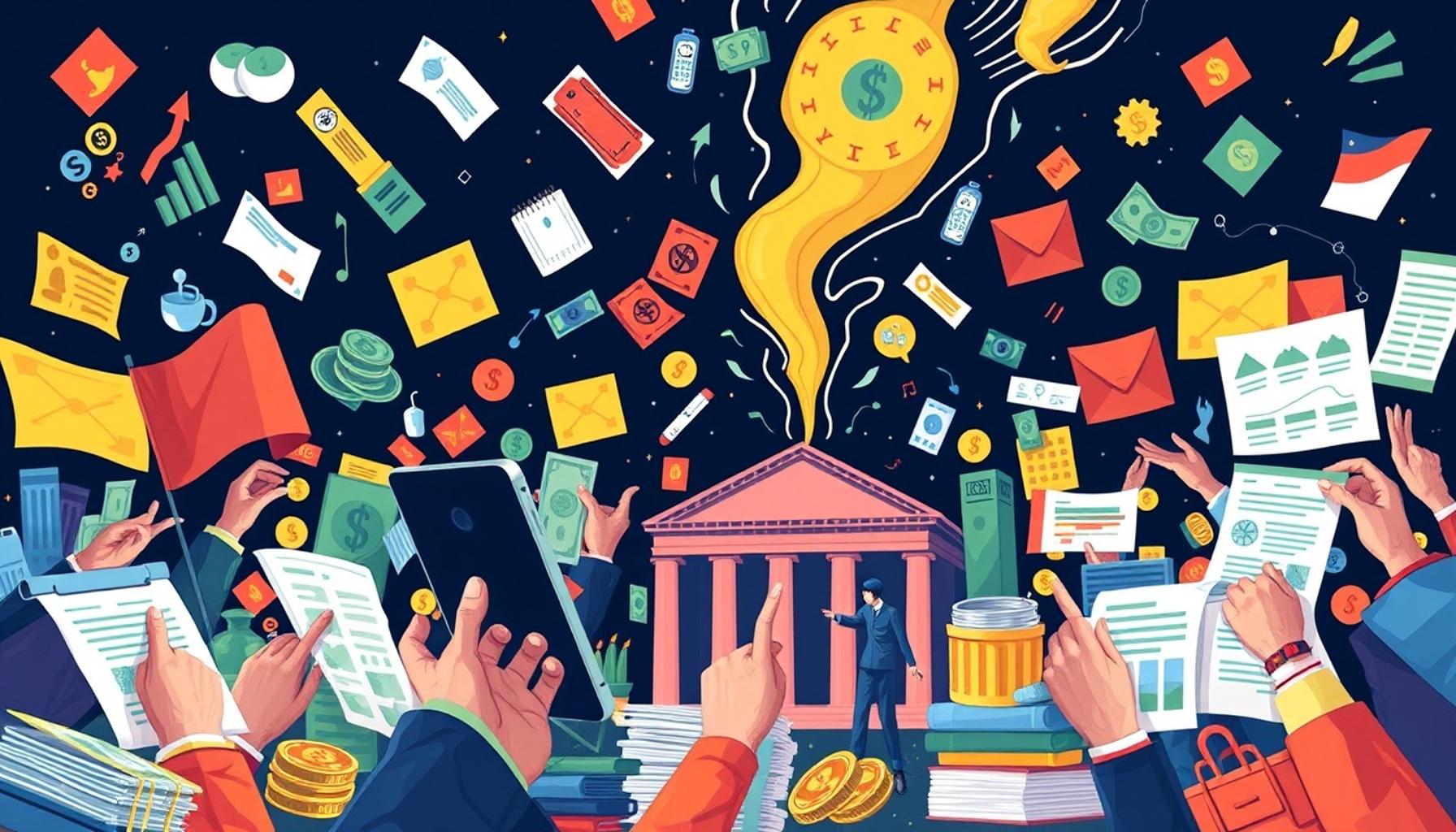
In an era where much of our communication takes place online, the influence of digital platforms on democratic processes is profound and multifaceted. The balance between the opportunities these platforms present and the challenges they pose is a crucial aspect of contemporary discourse. Social media sites such as Facebook, Twitter, and Instagram have transformed how we share information and mobilize communities, making them powerful tools in shaping public perception and political action.
Misinformation: A Growing Concern
One of the most alarming aspects of social media is the rapid spread of misinformation. For instance, during the 2016 U.S. presidential election, false news stories circulated extensively on these platforms, contributing to a significant impact on voter attitudes and decisions. Misinformation can often appear credible, disguising itself within reputable-looking posts or articles, making it difficult for users to discern fact from fiction. For example, a misleading claim about a candidate’s voting record can spread quickly, swaying public opinion and potentially affecting election results.
The consequences of misinformation are not limited to elections; they extend to other critical issues such as public health. The COVID-19 pandemic highlighted how rapidly false information about health practices can spread, complicating efforts to manage crises effectively. Therefore, tackling misinformation on digital platforms is essential for a healthy democracy, necessitating both technological solutions and more informed user engagement.
Social Mobilization: Harnessing the Power of Connectivity
On a more positive note, online platforms have demonstrated their capacity to drive social mobilization. Campaigns like Black Lives Matter gained global traction primarily due to the organization and visibility provided by platforms like Twitter and Instagram. These sites allow users to share personal stories, rally supporters, and build momentum for movements that demand change. The viral nature of online activism means that issues can quickly move from local to global conversations, compelling political leaders to respond.
Additionally, platforms facilitate new forms of political engagement, enabling people to participate in discussions and advocate for issues that resonate with them. They allow ordinary citizens to have a voice in the political realm, fostering a culture where civic participation can thrive. Online petitions, hashtag movements, and virtual town halls are just some examples of how digital tools can elevate public discourse and encourage individuals to hold their representatives accountable.
Finding a Balance
Understanding the dual role of online platforms in democracy underscores the necessity for critical media literacy among users. It is essential for individuals to recognize the potential pitfalls of misinformation while also appreciating the avenues for engagement and activism that these platforms provide. The challenge lies in maximizing the positive impact of these tools while minimizing their risks, enabling a more informed and active citizenry.
This article aims to analyze these dynamics, shedding light on how misinformation and social mobilization shape the political landscape and offering insights into how we can navigate these complexities for a healthier democracy.
DIVE DEEPER: Click here to learn how to apply
The Dual Nature of Online Platforms in Democratic Engagement
The influence of online platforms on democracy is not simply black and white; it encompasses a spectrum of effects that can either bolster or undermine democratic values. To fully grasp how these platforms shape our political landscape, it is essential to explore both the negative impacts, such as misinformation, and the positive aspects, like social mobilization. Together, these factors create a complex environment that demands critical examination.
The Mechanics of Misinformation Dissemination
Understanding how misinformation spreads is vital to recognizing its impact on democracy. The algorithms employed by social media platforms often prioritize engagement over accuracy. This means that sensational content, whether true or false, is more likely to be pushed to the forefront of users’ feeds. Research shows that emotionally charged posts—especially those that provoke fear or outrage—are shared more frequently than factual information. As a result, misleading narratives can proliferate rapidly within echo chambers, where users are surrounded by like-minded individuals who reinforce these falsehoods.
The consequences of this spread are profound and can lead to:
- Polarization: Misinformation can deepen divisions between political and social groups, making it increasingly difficult for society to engage in constructive dialogue.
- Manipulation: Malicious actors, including foreign entities, have increasingly utilized misinformation campaigns to influence public opinion and undermine trust in democratic institutions.
- Disenfranchisement: Voters may feel disillusioned and uncertain about the electoral process when exposed to false information, leading to lower turnout rates and weakened civic engagement.
Empowering Social Movements through Digital Activism
In contrast to the challenges posed by misinformation, online platforms have significantly empowered social movements worldwide. The capability of these platforms to connect individuals and facilitate immediate communication has transformed grassroots activism. Movements that address critical issues—like racial equality, environmental justice, and reproductive rights—have leveraged social media to amplify their messages and garner support effectively.
Consider the Women’s March, which saw millions participating in rallies across the United States and beyond in response to social injustices. This event exemplified how social media can mobilize individuals at an unprecedented scale, allowing participants to share their experiences, remove barriers to entry for activism, and foster a sense of community. Furthermore, the use of hashtags such as #MeToo and #BlackLivesMatter has helped create a rallying point for individuals passionate about these movements, transforming personal anecdotes into collective action.
Through these online platforms, users can also engage in new forms of political participation that were previously difficult to mobilize. Online petitions allow users to advocate for change, while discussion forums enable constituents to voice their concerns directly to policymakers in ways that are more accessible than traditional methods.
As we navigate this digital landscape, the interplay of misinformation and social mobilization continues to evolve, shaping the public’s understanding and engagement with democracy. Observing how these dynamics interact is critical to fostering a society that promotes informed participation and robust discourse.
DIVE DEEPER: Click here to get started with smart investments
The Balance of Influence: Challenges and Opportunities
While online platforms can foster social mobilization, they also present significant challenges that can be detrimental to democratic engagement. It’s crucial to understand these challenges to effectively leverage the opportunities that digital spaces provide for civic participation.
The Role of Echo Chambers and Algorithmic Bias
One of the primary challenges arising from online platforms is the existence of echo chambers. These are virtual spaces where individuals are exposed primarily to information that aligns with their existing beliefs and opinions. This phenomenon is significantly exacerbated by the algorithmic bias seen in social media feeds, which prefers content that resonates with users’ established viewpoints. As a result, diverse perspectives are often sidelined, limiting constructive debate and reinforcing confirmation biases.
According to a study from MIT, false news stories spread more rapidly and widely on Twitter than true news, primarily due to the emotional appeal and shock value of misinformation. This rapid proliferation can lead to communities cementing their views without ever questioning the sources or validity of the information they consume. In the long run, this entrenched belief system complicates consensus-building and the healthy functioning of democratic discourse.
The Impact of Digital Activism on Political Processes
On the flip side, the same online platforms that can entrench misinformation have also sparked unprecedented levels of political engagement and activism. Digital activism enables individuals to easily share their viewpoints and bring attention to issues that may have been overlooked in traditional media. For instance, during the recent 2020 U.S. presidential election, social media was a pivotal arena where both candidates and grassroots organizations engaged voters, shared key information, and organized events—all while reaching far more people than would have been possible through conventional means.
The viral nature of social media can catalyze real change. Take, for example, the March for Our Lives movement, founded by Parkland, Florida high school students in the wake of a tragic school shooting. Using social media platforms, they mobilized thousands to advocate for stricter gun control measures, proving that youth activism can lead to policy discussions at the highest levels of government.
- Inclusivity: Online platforms often provide a voice to marginalized groups, who may have less access to traditional avenues of political expression. This inclusivity is vital for a healthy democracy, as it allows for a richer tapestry of perspectives.
- Increased Accountability: Activists can use social media to hold leaders accountable in real time. Campaigns such as #MeToo have created platforms where survivors share their stories and demand action, promoting societal change that might not have occurred otherwise.
The simultaneous rise of misinformation and digital activism creates a paradox. While misinformation challenges the integrity of democratic discourse, digital platforms also provide the tools necessary for individuals to mobilize and drive change. Understanding this balance allows us to appreciate the full impact of online platforms on democracy today, reminding us of the ongoing struggle to ensure that these tools serve to empower rather than disempower citizens.
DISCOVER MORE: Click here to learn about investment diversification
Conclusion
In examining the complex relationship between online platforms and democracy, we uncover both the profound opportunities and pressing challenges that define this digital landscape. The rise of misinformation demonstrates how quickly false narratives can undermine public trust, skew perceptions, and hinder constructive political discourse. Familiarity with this phenomenon highlights the urgent need for media literacy, critical thinking, and fact-checking to combat misleading information that spreads through echoes of bias.
Conversely, the capacity for social mobilization that these platforms enable cannot be underestimated. Digital campaigns have fueled activism, giving voice to marginalized communities and promoting human rights and equity on unprecedented scales. Movements like “March for Our Lives” and “#MeToo” exemplify how ordinary citizens can harness online tools to influence policies and advocate for societal change, proving that digital spaces can indeed be conduits for empowerment.
Ultimately, the impact of online platforms on democracy embodies a dual-edged sword. As we navigate this evolving terrain, it becomes crucial to foster an environment where informed participation thrives, and where online platforms can serve as catalysts for positive change rather than vehicles of misinformation. Encouraging critical engagement, promoting accountability among platform creators, and striving for inclusivity will be essential in ensuring that the potential of these platforms is maximized for the benefit of democratic values and active citizenship. The journey lies in leveraging these tools to strengthen our democracy while remaining vigilant against the pitfalls they present.

Linda Carter
Linda Carter is a writer and expert known for producing clear, engaging, and easy-to-understand content. With solid experience guiding people in achieving their goals, she shares valuable insights and practical guidance. Her mission is to support readers in making informed choices and achieving significant progress.