The Rise of Generative Artificial Intelligence and Its Impact on Creative Industries
Understanding Generative Artificial Intelligence in Creative Industries
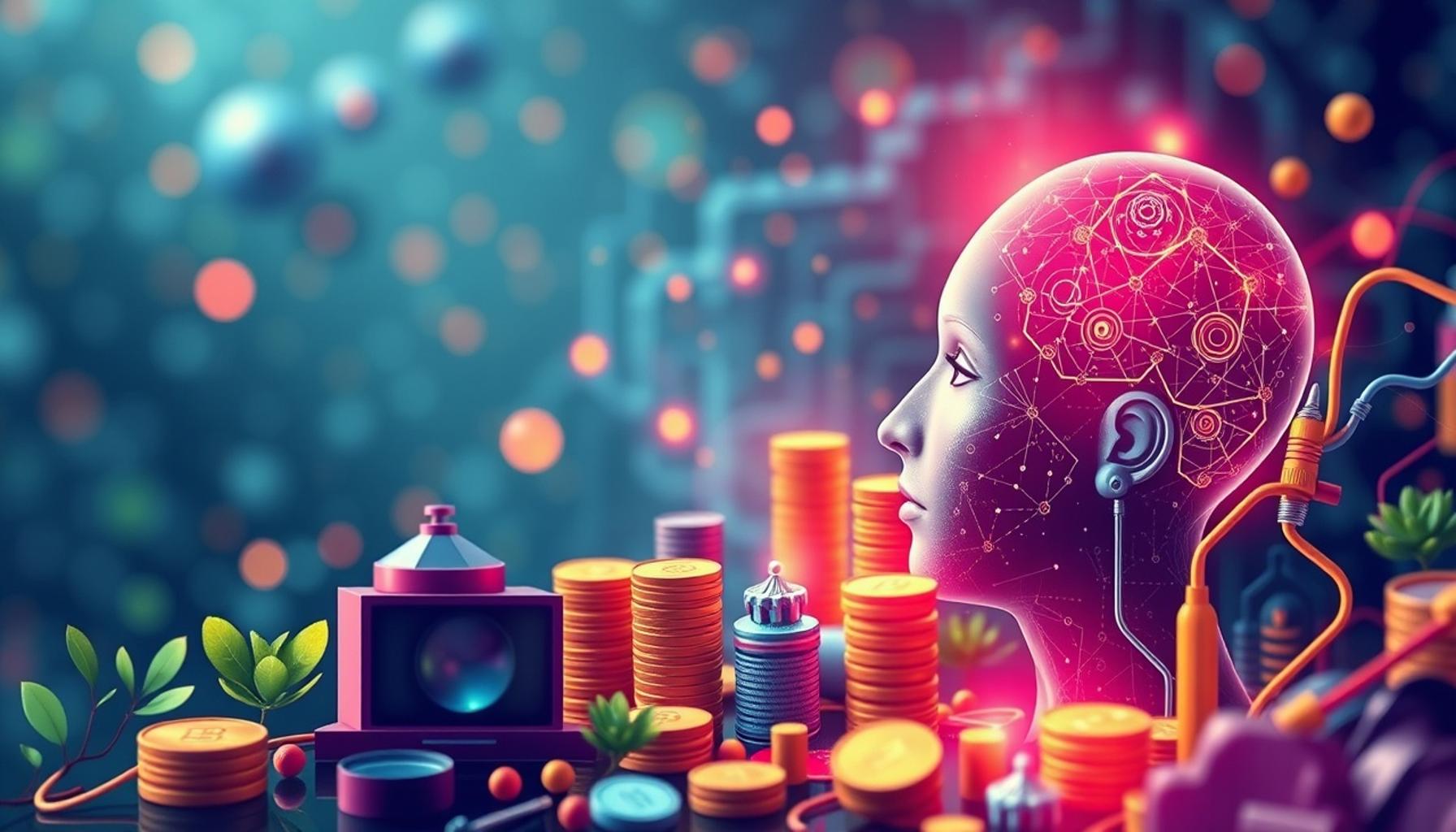
The emergence of Generative Artificial Intelligence (GAI) is revolutionizing the way creativity is expressed and executed across a multitude of sectors. By utilizing advanced algorithms and vast datasets, GAI offers unprecedented tools that not only assist, but often enhance the creative process. This integration of technology into artistic endeavors is fostering an environment where human creativity and machine-driven insights can coexist and flourish.
One of the most significant aspects of GAI is its ability to facilitate content creation. For instance, through platforms like OpenAI’s DALL-E or ChatGPT, users can generate stunning visual art or compelling narratives with just a few prompts. This capability allows artists, writers, and musicians to brainstorm ideas rapidly and explore concepts that may not have surfaced in traditional methods. An example of this could be a budding writer using an AI tool to outline the plot of a novel, significantly accelerating the writing process.
Moreover, GAI fosters collaboration between human creators and technology. Artists are now able to blend their unique styles with AI-generated components, leading to innovative works that might blend human intuition and machine learning capabilities. Consider the collaboration between a graphic designer and an AI image generator: while the designer provides a specific aesthetic vision, the AI can produce variations and ideas, expanding the creative palette available to the designer.
Another notable feature is customization. GAI can be programmed to meet specific user preferences, enabling personalized experiences in media consumption. For example, AI-powered music platforms can create custom playlists that match a listener’s mood, employing various algorithms to determine what song resonates best with them at any given moment. This level of personalization redefines user interaction and engagement, making the content more relevant and enjoyable.
The effects of GAI are particularly evident in several specific industries. In film, AI tools are streamlining processes such as scriptwriting and storyboarding. Filmmakers leveraging GAI can quickly visualize scenes and track character arcs, optimizing their production schedules and minimizing costs. In the music industry, AI is making waves by enabling musicians to experiment with novel sounds and compose pieces that merge various genres seamlessly. Finally, in written content, AI technologies assist authors by providing story prompts or even drafting entire articles, saving countless hours in the writing process.
However, this transformation raises important questions about the nature of creativity and originality. Are AI-generated works genuinely creative, or do they merely mimic human creativity? Moreover, how does this shift affect the perceived value of human-created art? As GAI continues to evolve, it is imperative for everyone, especially those in creative fields, to engage with these developments thoughtfully and consider their implications for the future of art and creativity.
DON’T MISS OUT: Click here to discover how to score free clothing on Shein
The Transformative Power of Generative AI in Creative Processes
The integration of Generative Artificial Intelligence into creative industries is ushering in a new era of innovation and possibility. This technology utilizes sophisticated algorithms to create content, offering artists and creators tools that enhance their creative expression and streamline their workflows. The impact of GAI can be examined through various lenses, showcasing how it reshapes processes from conception to execution.
One of the most tangible benefits of GAI is its ability to accelerate the creative process. Traditional methods of brainstorming and ideation can be time-consuming, yet GAI changes this narrative. Creatives can engage with AI tools to generate concepts quickly, thereby transforming inspiration into action. For example, a fashion designer might input trends and color palettes into an AI program to receive design prototypes almost instantly, enabling them to experiment with diverse styles without the time constraints often associated with manual sketching.
Additionally, GAI enhances the creative toolkit available to professionals by providing data-driven insights that can inform artistic decisions. This is particularly relevant in industries like advertising, where understanding consumer preferences is crucial. Marketers can utilize AI analytics to assess which designs resonate most with target audiences, allowing them to tailor campaigns effectively. For instance, an advertising agency might employ AI to analyze past campaign performance, thereby uncovering patterns that guide future project decisions.
The rise of GAI also promotes a new wave of multidisciplinary collaboration. Artists across various fields are increasingly partnering with technology experts to explore new realms of creativity. For instance, in visual arts, a painter could collaborate with a software developer to create interactive pieces that respond to viewer movements. Such collaborations not only expand the scope of artistic expression but also challenge traditional notions of authorship and ownership in art creation.
Moreover, the accessibility of GAI tools democratizes creativity by enabling those without extensive training or resources to produce high-quality works. A common example can be seen in the world of content creation, where individuals can use AI-driven platforms to generate professional-grade videos or music tracks from their own homes. This self-sufficiency is empowering a broader audience to engage in creative endeavors, which could lead to an explosion of diverse artistic voices.
- Accelerated Ideation: GAI allows creators to generate ideas rapidly and iteratively, reducing the time needed for initial concept development.
- Data-Driven Design: By leveraging algorithms that analyze audience preferences, GAI informs and optimizes design processes in marketing and advertising.
- Collaborative Opportunities: Enhanced partnerships between artists and technologists are resulting in innovative and interactive art forms.
- Increased Access: GAI is enabling individuals with varying skill levels to create high-quality content, fostering inclusivity in creative industries.
Ultimately, these advancements bring us to a crucial point of consideration regarding the ethical dimensions of creativity and authorship. With GAI blurring the lines between human-generated and machine-generated content, it is essential for stakeholders in the creative industries to navigate these waters thoughtfully, ensuring that innovation does not come at the cost of artistic integrity.
EXPLORE MORE: Click here to discover your options beyond Social Security
Navigating the Challenges and Future of Generative AI in Creative Industries
While the benefits of Generative Artificial Intelligence in creative industries are substantial, several challenges and considerations must be addressed as this technology continues to evolve. As GAI systems advance, issues related to intellectual property rights are becoming increasingly prominent. When creative works are produced collaboratively between an artist and an AI, questions arise regarding authorship and ownership. Who retains the rights to an artwork generated by a machine learning algorithm? These questions underscore the need for clear legal frameworks that protect the interests of creators while embracing innovation.
Another challenge is the potential for algorithmic bias. GAI is trained on existing datasets, which can inadvertently embed societal biases present in that data. For instance, if an AI is fed images predominantly featuring certain racial or gender groups, it may reflect and perpetuate these biases in its generated outputs. This can have significant implications, especially in industries like fashion or media, where representation matters. It is vital for developers to ensure diverse and inclusive datasets, as well as active involvement in monitoring and mitigating biases during the development process.
The concern about job displacement also looms large as GAI technology becomes more integrated into creative workflows. While GAI can enhance productivity, there is apprehension that automation may replace certain roles in creative fields. For example, synthesizing music tracks or designing logos using AI might reduce the demand for entry-level positions in these areas. However, history suggests that while some jobs may become obsolete, new roles and opportunities often emerge as technology reshapes the industry landscape. Educators and industry leaders must focus on retraining and upskilling existing professionals to prepare them for an AI-augmented work environment.
Additionally, there is a pressing need for creators to cultivate a healthy collaboration mindset when working with AI tools. Rather than viewing GAI as a replacement, artists and designers should embrace it as a collaborator that enhances their own creative capabilities. For example, a screenwriter might leverage AI algorithms to develop character arcs or plot devices, but ultimately, the human touch in storytelling remains vital for resonance and emotional depth. This synergy can lead to a more enriched creative process, producing works that harmoniously blend human ingenuity with machine efficiency.
The future of GAI in creative industries also looks promising with ongoing advancements in technology. As GAI systems become more sophisticated, they will likely offer increased customization and personalization options. This could be particularly transformative in areas like video game design, where players could experience entirely different narratives based on their choices, all facilitated by AI-generated content. Such innovation paves the way for highly engaging and interactive experiences, fostering deeper connections between creators and their audiences.
- Intellectual Property Rights: Clear legal frameworks are necessary to navigate ownership and authorship issues arising from AI-generated content.
- Algorithmic Bias: Diverse datasets must be prioritized to mitigate inherent biases in GAI outputs, ensuring fair representation in creative industries.
- Job Displacement Concerns: While GAI may change job dynamics, new opportunities can emerge, necessitating retraining and upskilling for professionals.
- Collaboration Mindset: Viewing GAI as a collaborator rather than a replacement can enhance the creative process and lead to innovative outcomes.
- Future Advancements: Continued progress in GAI technology will likely enable more personalized and interactive creative experiences.
DISCOVER MORE: Click here to learn how to apply
Conclusion
The rise of Generative Artificial Intelligence marks a significant turning point in creative industries, presenting both exciting opportunities and formidable challenges. As we navigate this evolving landscape, the importance of establishing robust legal frameworks cannot be overstated to protect intellectual property rights while encouraging innovation. Additionally, addressing algorithmic bias is crucial in ensuring that the content produced reflects diverse perspectives and experiences, thus fostering a more inclusive creative environment.
Moreover, while job displacement due to automation remains a concern, it’s essential to recognize the potential for new roles and opportunities that can arise from this technological shift. Companies and educational institutions must prioritize upskilling and retraining, ensuring that professionals can adapt to and thrive in an AI-augmented workforce. Embracing a collaboration mindset with AI tools will allow creators to enhance their artistry, utilizing AI as a powerful ally rather than a competitor.
Looking ahead, the future of GAI in creative industries is poised for transformative advancements that promise to personalize and enhance experiences for both creators and audiences. As GAI systems continue to develop, we can anticipate richer narratives in areas like gaming and storytelling, ultimately fostering deeper connections. By approaching GAI with a thoughtful and proactive mindset, we can harness its potential to redefine creativity, sparking new forms of expression that celebrate the harmony between human ingenuity and technological innovation.

Linda Carter
Linda Carter is a writer and expert known for producing clear, engaging, and easy-to-understand content. With solid experience guiding people in achieving their goals, she shares valuable insights and practical guidance. Her mission is to support readers in making informed choices and achieving significant progress.